
When Faces Come Home: Remembering Hudson Through Portraits
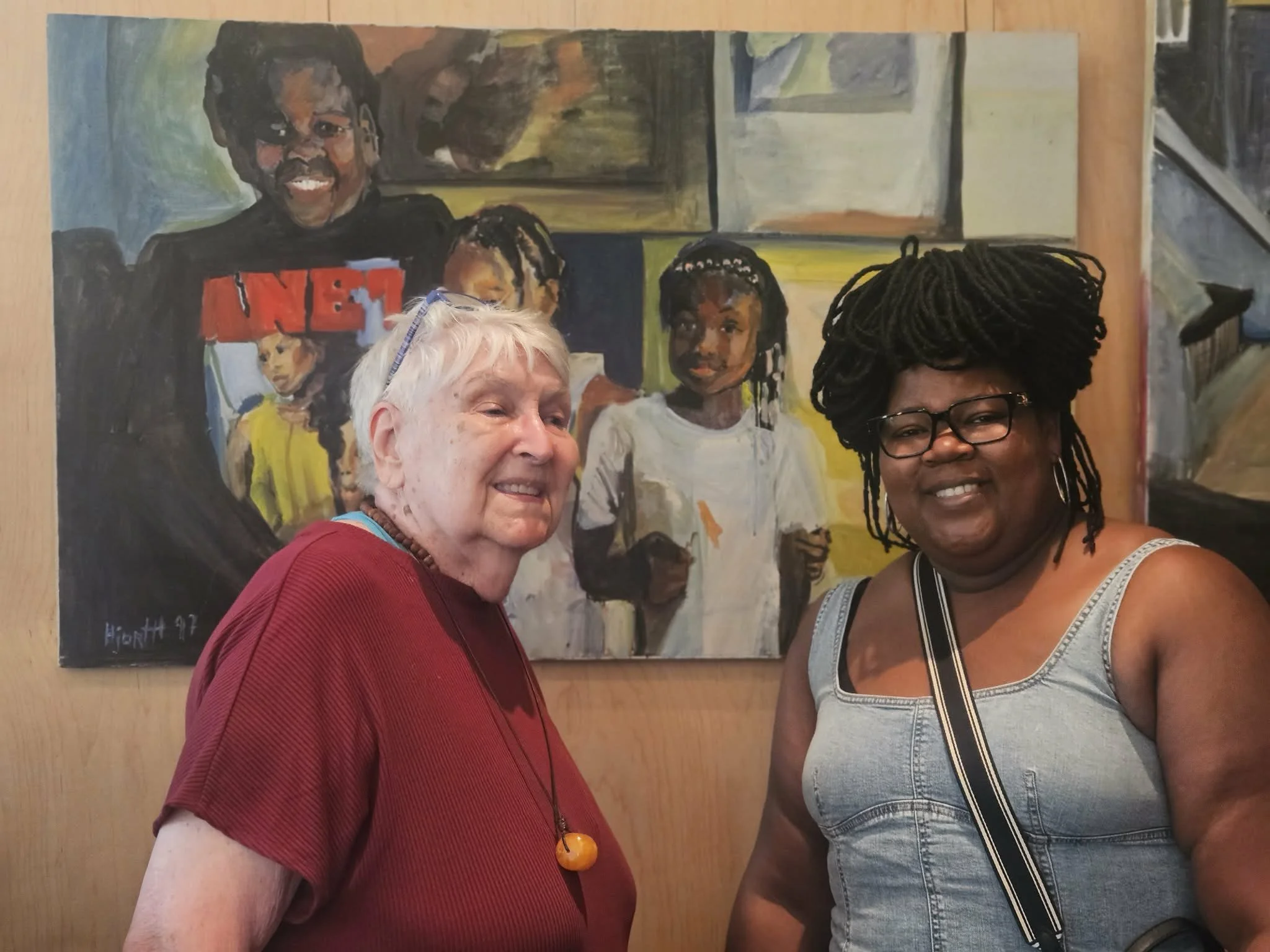
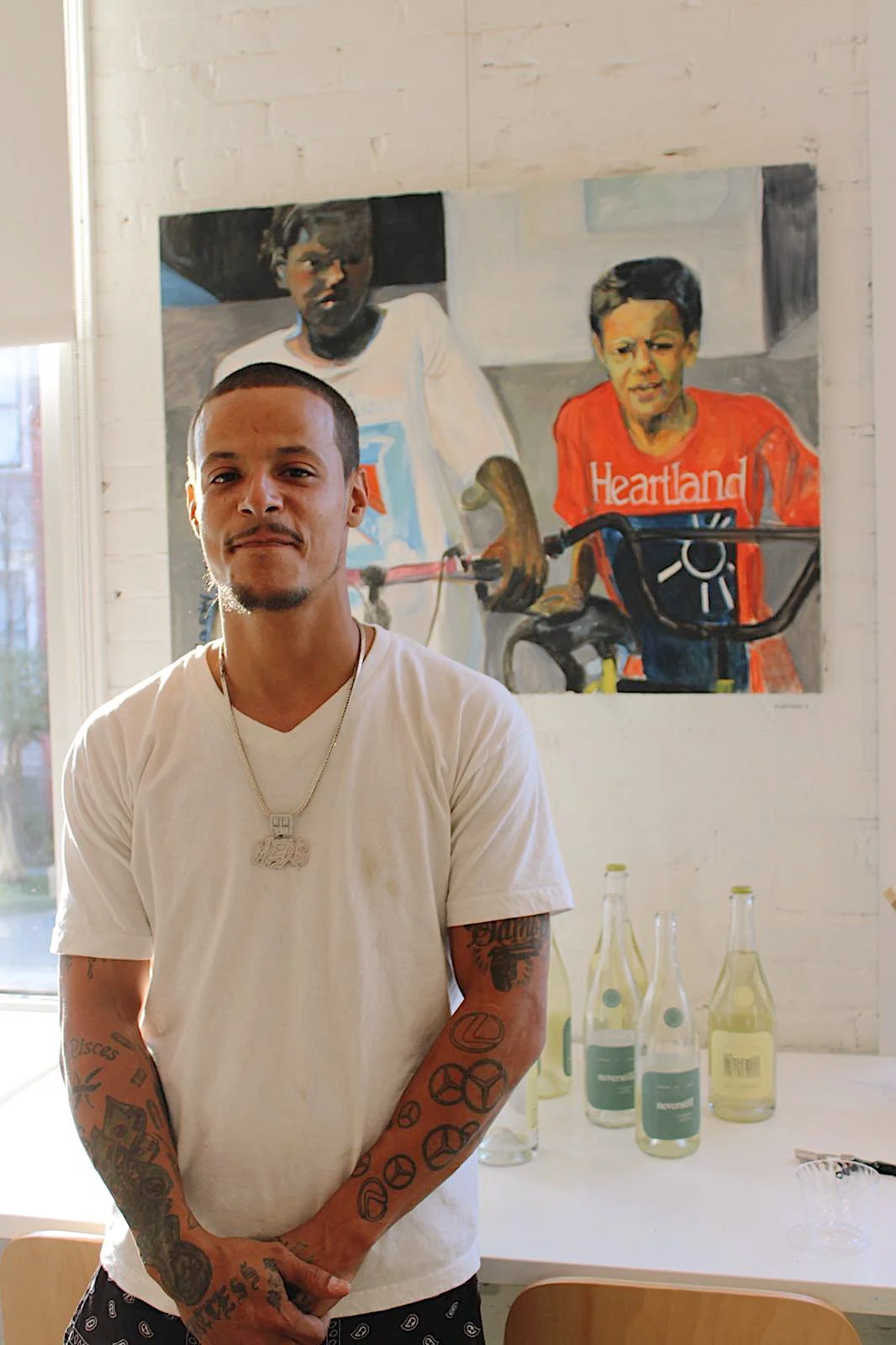
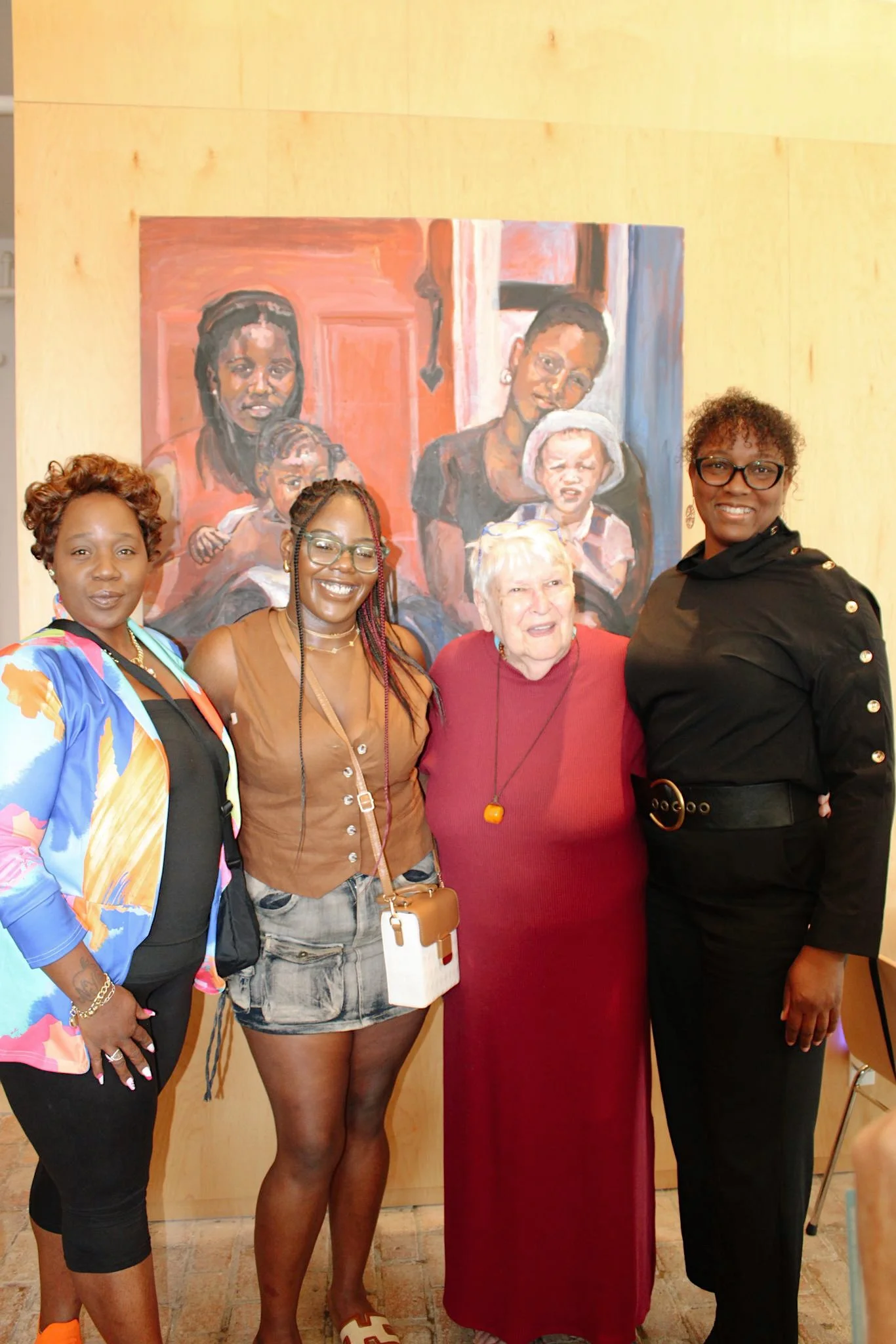
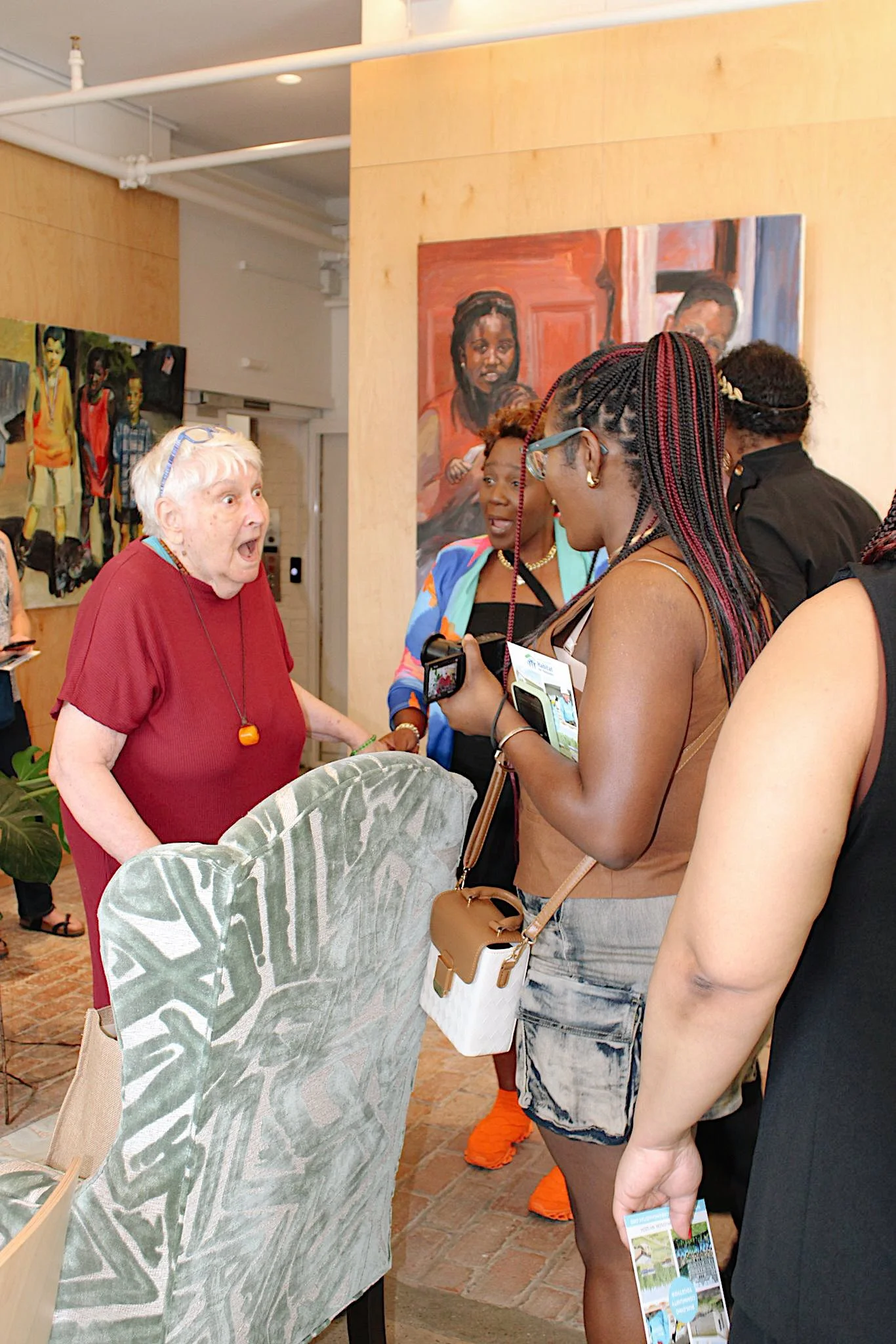
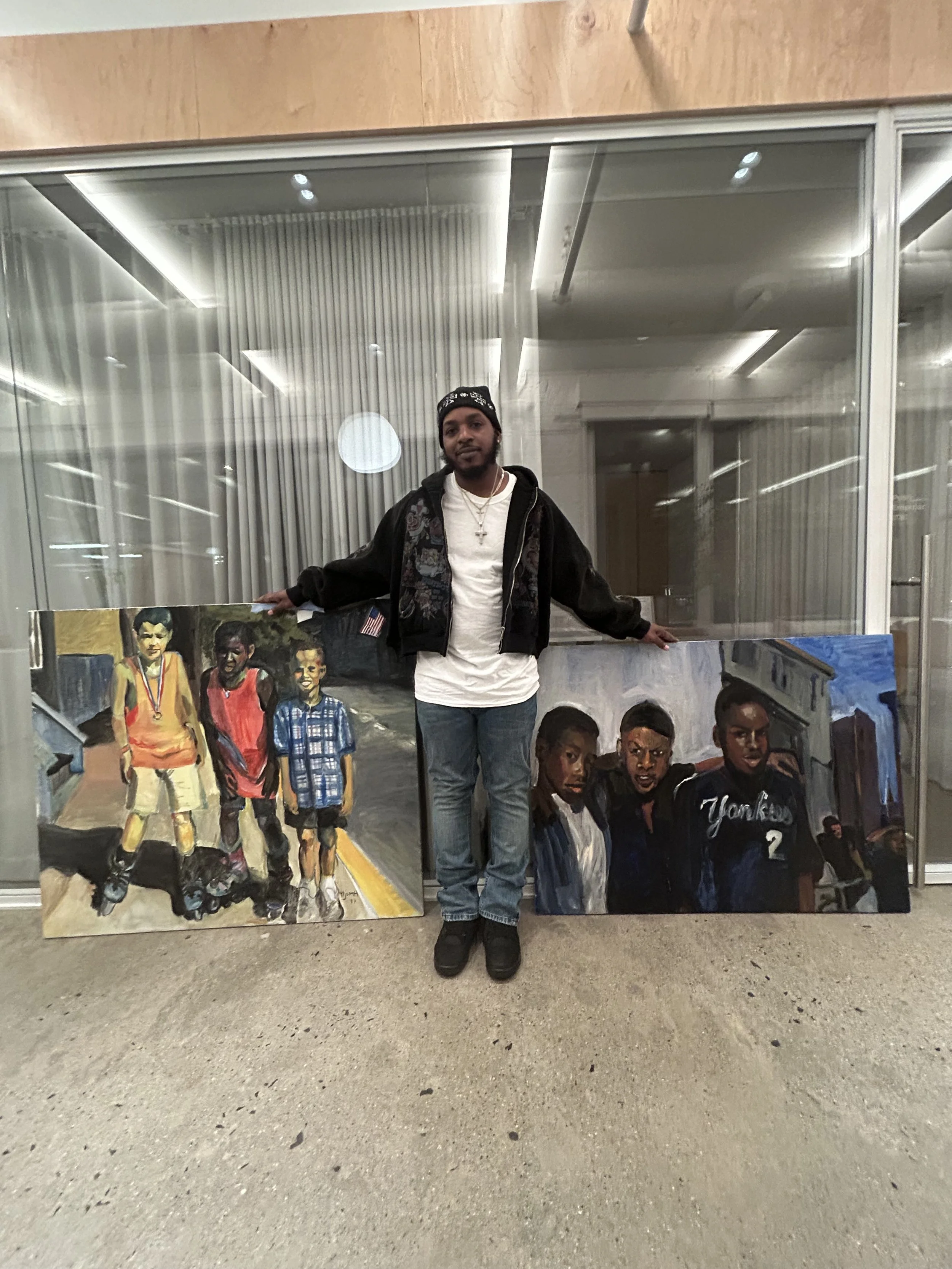
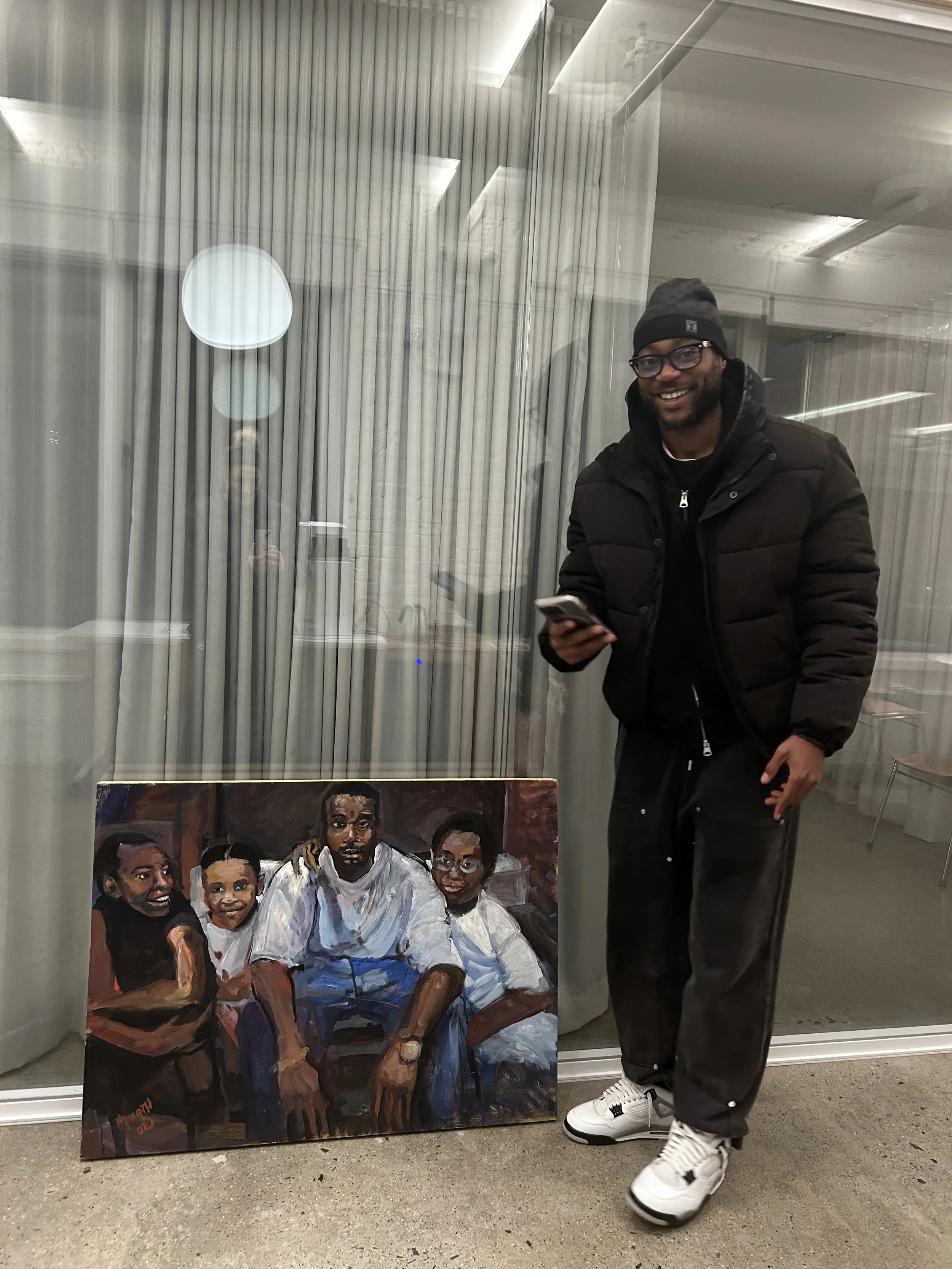
This past fall, The Spark of Hudson witnessed a series of moments that revealed how art can hold stories, and how a community can help bring them back into view.
In December, The Spark Building, where we host community programming and events, closed an exhibition titled Hudson: 1997–2003. The show was presented in partnership with the Columbia County Habitat for Humanity ReStore and featured portrait paintings by artist Phyllis Hjorth. In the late 1990s and early 2000s, Hjorth lived in Hudson and painted her neighbors—children, parents, workers, elders—capturing them in moments of everyday dignity during a period when the city itself was in profound transition.
The story of how these paintings resurfaced feels almost cinematic.
Last spring, Sam Stegmann, Director of Marketing and Programs at the Habitat ReStore, reached out about a group of Hjorth’s portraits that had been donated to the store and quietly held for nearly two years. The staff never felt comfortable selling them. These weren’t just paintings—they were likenesses of real people, many of whom still lived in Hudson or nearby. Their names and stories, however, had been lost. As Chronogram later wrote, the portraits felt “like they were waiting to come home.”
Instead of dispersing them, Sam proposed that The Spark host an exhibition—not simply to display the works, but to try to identify the individuals in the paintings and, if possible, return the portraits to their subjects or their families.
What unfolded became a living act of community remembrance.
At the opening, Phyllis Hjorth was reunited with people she had painted decades earlier—now grown, now parents, some elders themselves. Since then, more people in the portraits have been identified, largely through the help of local Facebook groups and neighbors who recognized faces and shared stories. Paintings long thought forgotten have been returned to the people whose lives they once quietly documented.
With each reunion came stories: of childhood and loss, of resilience and migration, of families who stayed and families who left, of a town reshaped by time and economics and love. The exhibition became not only a tribute to Hjorth’s work, but to Hudson itself—to the layered lives that make up a community across generations.
Art has a way of holding time. Community has a way of finding what was nearly lost.
Watching people stand beside their own painted faces, sometimes for the first time in twenty-five years, was to witness memory made visible. It was a reminder that every town holds a thousand untold stories, and that sometimes all it takes is a canvas, a name, and a moment of recognition to bring them back home.
- by Jess Laddin
